Who Lindblad suits
Curious travelers who would rather be in a Zodiac at seven in the morning than at a late breakfast. Dinner conversation is about what everyone saw that day. There is no casino, no production show, and no reason to pack formal clothes.
It is not the right choice for travelers whose priority is a large suite, a butler, or a long list of restaurants.
How an expedition day works
- Zodiac cruises and landings scheduled around wildlife and weather
- Naturalists, undersea specialists, and a certified photo instructor onboard
- Kayaking, snorkeling, and hiking options at most stops
- Evening recaps where the team explains what you saw and what is on schedule for the next day.
Where they go
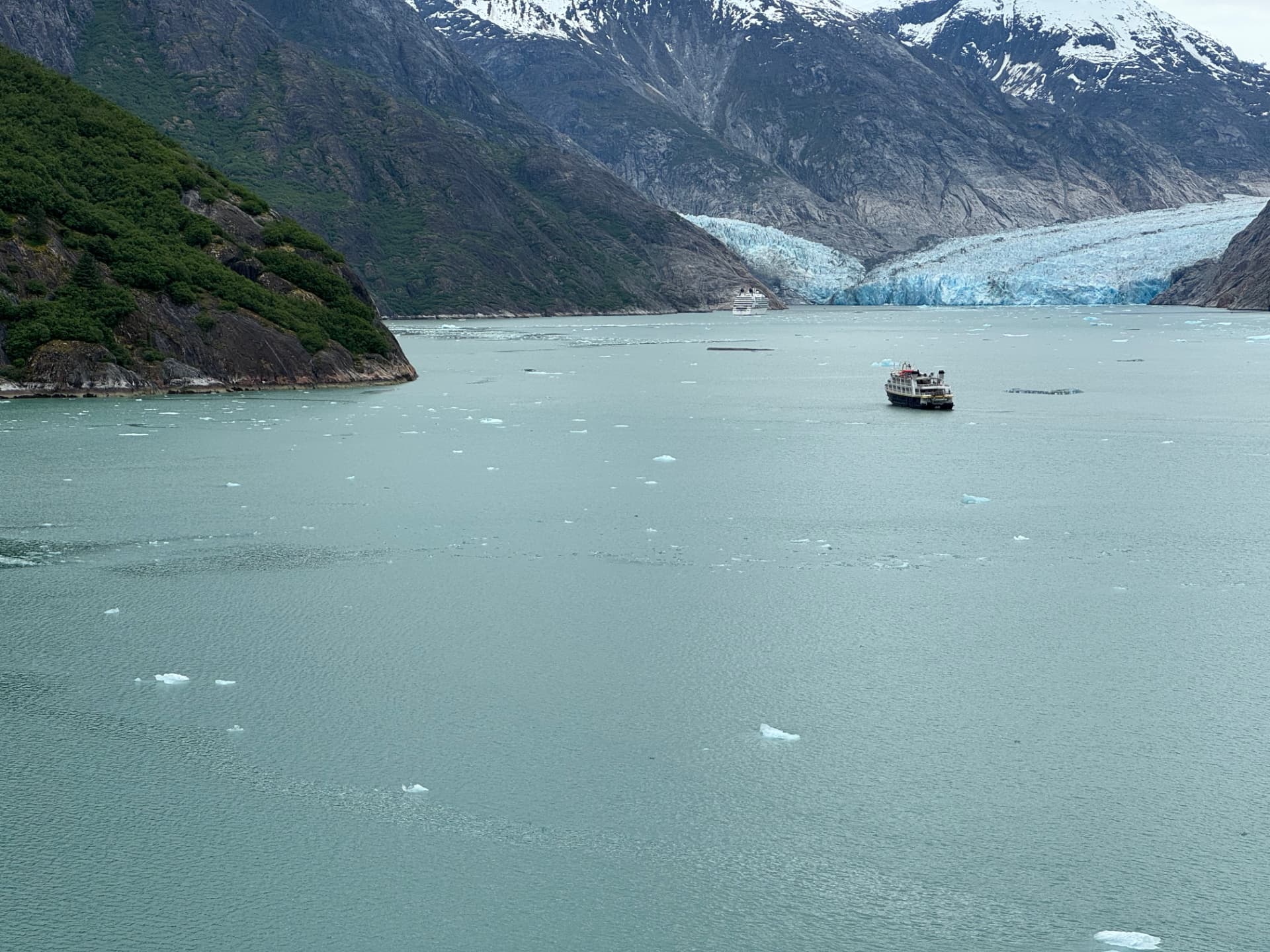
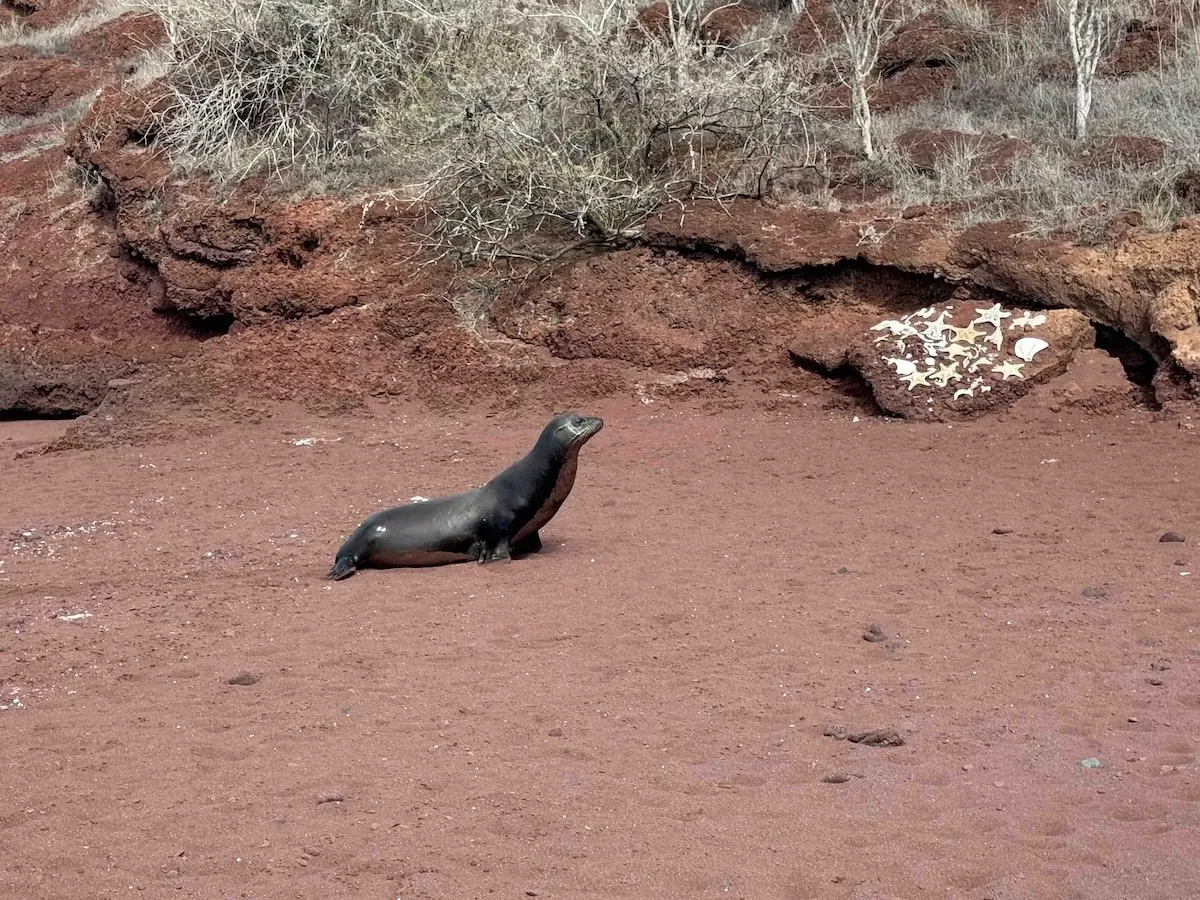
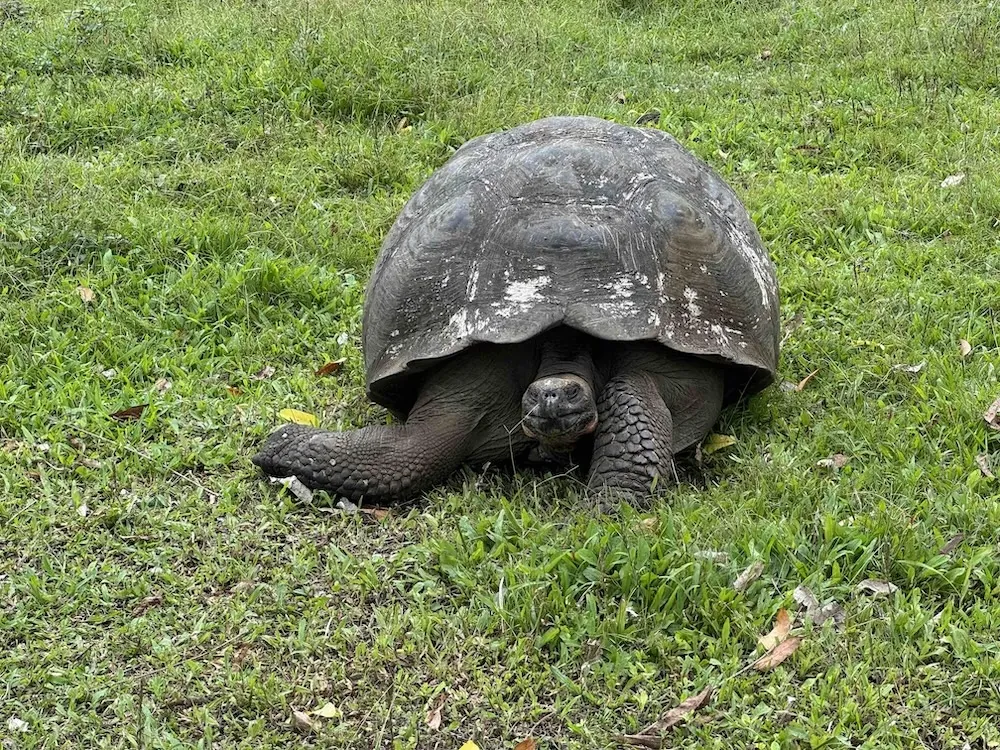
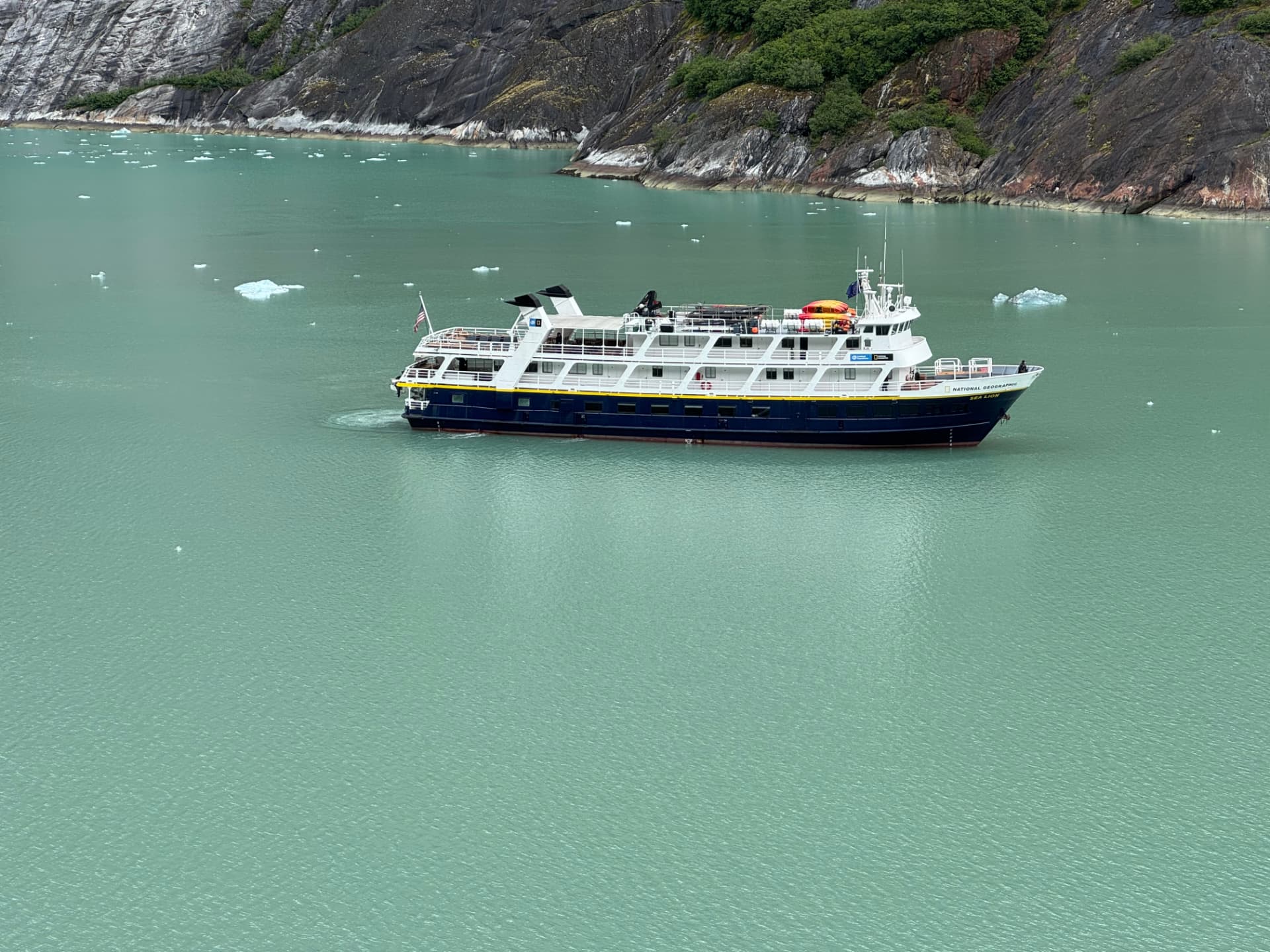
The Galapagos program runs year round on purpose-built ships, with itineraries covering the western and eastern islands. Antarctica and the Arctic use ice-class vessels. Alaska sailings work the small inlets and coves that larger ships pass by, and the coastal Pacific Northwest and Baja programs are a unique destination that most guests overlook.
Photography onboard
Onboard photography instruction is a core feature of the voyage, not an afterthought. Instructors host hands-on workshops covering camera settings, composition, and post-processing—then head out with you in the Zodiacs to offer real-time advice in the field. If you have a camera you have never fully mastered, this is where it all comes together.
How I help
As a National Geographic-Lindblad Expeditions Specialist, I match the itinerary to the wildlife you most want to see, since seasons matter enormously in both the Galapagos and the polar regions. I also handle the flights, the pre-cruise nights that protect against delays, and the gear questions that come up before a first expedition.